What Can't be Automated: Three Rooms, One Leadership Lesson
What Can’t be Automated: Three Rooms, One Leadership Lesson
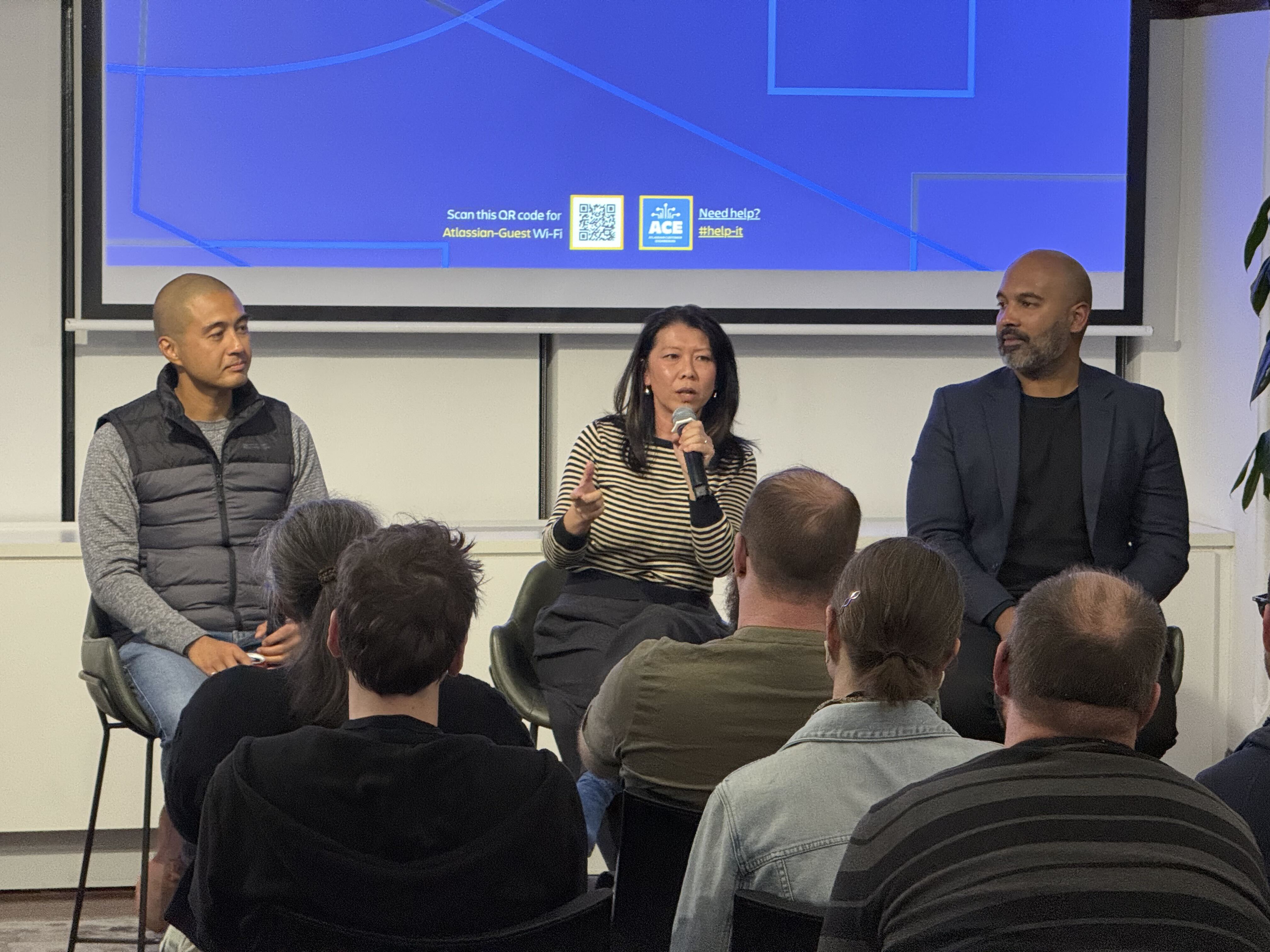
This past couple of weeks, I stood in front of three very different audiences. Senior leaders and independent consultants at The Friday Lunch Club Sydney. Tech leaders weighing up their first board role at a Sydney tech leaders event. Early-career grads at the latest Career Kickstarter event with Her Tech Circle.
Different stages of career. Different challenges. Same underlying question, asked in three different ways: what actually makes me valuable [as a leader, as a founder, as an team member] right now.
So what did I take from each room and how can there possibly be thread that ties them together?
The Friday Lunch Club: judgement is the upgrade
Instead of asking where leaders were feeling left behind, we asked what makes them indispensable.
AI can draft the strategy deck, summarise a report, even brief the team. What it cannot do is galvanise a room, be the person someone calls because they need someone they trust, not something efficient.
For leaders and consultants who've spent fifteen, twenty, thirty years building trust and intuition, this is not a moment to feel replaceable. It's a time to share knowledge.
Sydney tech leaders: capability isn't the same as readiness
The second room was senior tech leaders considering board roles, and the opportunity here is real and growing. Boards are under pressure to understand things they were never trained on: AI governance, cyber risk, data security, platform stability. When many ASX boards are majority male and Anglo-Celtic, over 60 and and tech experience being decades old, let alone with cyber or AI expertise, the time is right for Tech Leaders to step into board roles!
But capability in the domain can get you an interview but not always the appointment. Readiness for the board requires broader oversight and governance. The opportunity is there. The gap is for tech leaders to grow their visibility in wider senior rooms.
The graduate network: curiosity is the thing seniority erodes
The third room flipped the lesson entirely. Talking with university students and early grads about standing out, the advice that resonated most was curiosity: open to asking for advice, learning something new, following through with a connection and a reflection.
Curiosity is the art that senior leaders somewhere along the way have lost. We’re more inclined to trade curiosity for certainty.
The thread: what can’t be automated, compounds
Three rooms, three career stages, one lesson. Judgement. Trust. Curiosity. Follow-through. None of it shows up on a resume as a hard skill. Master this and it becomes your moat.
If you're leading a team, sitting on the edge of a board opportunity, or just starting out and wondering if “soft skills" really matter: it does. It's not soft. It's the hardest thing to build, and the hardest thing to replace.
FAQ
What leadership skills won't AI replace? Judgement, trust-building, reading organisational politics, and pattern recognition built from experience are the hardest capabilities for AI to replicate. These skills compound over a career and remain the primary differentiator for senior leaders and consultants.
How do I know if I'm ready for a board role? Domain expertise (such as tech or cyber capability) is a strong starting point, but board readiness also requires understanding governance fundamentals, director duties, and how appointments actually happen in Australia, most often through personal networks and direct approach rather than formal recruitment.
What makes a leader valuable in an AI-augmented workplace? The capabilities that resist automation, including judgement, trust, curiosity, and follow-through, are becoming more valuable, not less, as AI takes on more of the technical and administrative workload.
Amanda Behre is the Founder and CEO of Dear Thrive, an AI-supported leadership development platform. She writes on courageous leadership, board readiness, and the future of work.
#leadingthroughchange #coaching #professionaldevelopment #leadership #AIadvisor