Redundancy and Workplace Restructures. What Nobody Tells You (And How to Prepare)
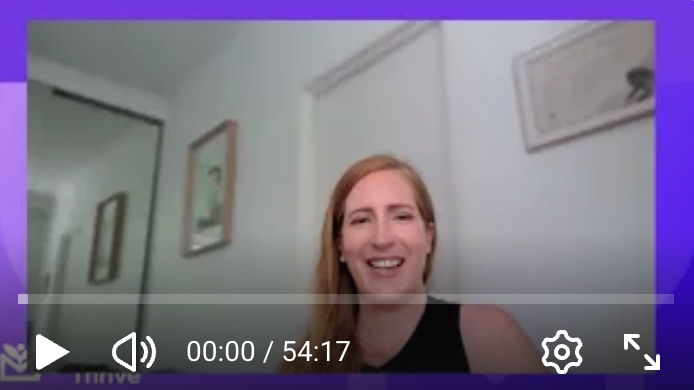
If you've recently been told your role is "at risk" or wondering whether a restructure is coming, you're not alone. Workplace redundancy is one of the most disorienting professional experiences a leader can face, not because the outcome is always bad, but because most people have no idea what's actually happening. In this Ask Anything session with Francesca Dove, People and Change Leader, we pull back the curtain on how redundancy decisions really get made and what you can do right now to better position yourself.
Is the Redundancy Decision Already Made Before You're Told?
One of the most common questions leaders ask is whether the decision is predetermined by the time they're called into the room. The short answer: often, yes, but not always entirely. Understanding the stages of a restructure, and where genuine influence is still possible, is one of the most important things you can do.
Key insight from Francesca: The process typically moves through design, consultation, and decision phases. By the time affected employees are formally notified, organisational design decisions are usually well advanced. However, your conduct, reputation, and responsiveness during the consultation period can still influence outcomes, particularly in selection processes where roles are contested.
What's Happening Behind the Scenes Before You Hear Anything
Most employees are unaware that restructures are often months in the making before any announcement. Leadership teams, HR, and sometimes external consultants are working through organisational design, financial modelling, and legal obligations long before a single conversation takes place.
What this means for you: The decisions being made behind closed doors are often about structure first, people second. Knowing this removes some of the personal sting and helps you focus your energy where it actually matters.
How to Influence the Outcome (Even When It Feels Out of Your Hands)
You may have more influence than you think. Here's where it counts:
- Your visible contribution: Are your results, relationships, and value well known to decision-makers above your direct manager?
- Your reputation during uncertainty: How you show up during ambiguity is noted. Leaders who remain constructive, calm, and professional are remembered.
- Your engagement in consultation: If a formal consultation period exists, participate actively. Submit responses. Ask questions. This is your opportunity to make a case.
- Your network and positioning: Both internally and externally, your professional brand matters more than ever during periods of change.
Managing Your Reputation Through a Restructure
Redundancy, even when it happens to you, doesn't have to define your career. What tends to define careers is how leaders handle adversity. Maintaining your professional relationships, continuing to deliver where you can, and being seen as someone who leads with integrity under pressure are the things people remember long after the restructure is over.
What to Do If You're Going Through Change Right Now
If you're currently navigating a restructure or facing the possibility of redundancy, getting personalised support early makes a significant difference. Dear Thrive works with mid-career and senior leaders through exactly these moments, giving you access to experienced advisors who've been in the room on both sides of these conversations.
Book a session with Francesca Dove to talk through your specific situation and get clear on your next move: dearthrive.com.
Note, what is written in this article does not constitute as legal advice.
FAQs
Can I influence a redundancy decision once the process has started? Yes, in many cases. Particularly during formal consultation periods, how you engage, respond, and present your value can influence the outcome especially where roles are contested or the selection criteria is still being applied.
What happens behind the scenes before redundancy is announced? Organisations typically go through an organisational design phase, financial and legal review, and HR consultation before employees are notified. This process can take weeks or months.
How should I manage my reputation during a workplace restructure? Stay visible, remain professional, continue to deliver, and maintain your relationships. Your conduct during uncertainty is observed and will be remembered by your current employer and future ones.
Is redundancy always predetermined? Not always. While the structural decision is often made before you're told, how individuals are selected from a pool of affected roles can still be influenced by performance, conduct, and consultation responses.