Feeling disengaged with work life? Here's how to bring your motivation back
Disengagement, feeling unmotivated, stuck, lacking creativity and generally just “meh” seem to be recurring themes. It came out in the Gallup State of the Global Workplace Report and in Australia 4 out of 5 employees are feeling disengaged from their jobs (between actively and passively disengaged). Australia’s work life stress levels are higher than the global average with key predictors being availability of the right tools to get the job done and the impact of leadership. And opportunities such as recognition and approachability of leaders; clear goals; skill development and a fair process for promotions were clear themes that could contribute to reversing the trend. However these are not instant solves and largely not within your span of control.
I have no doubt you are feeling the pressure of your role. Balancing competing priorities, business growth, difficult stakeholders, a team that could be disengaged as well. The best work comes from people who have a healthy balance of understanding their goals and guardrails and skating the line of healthy pressure and deadlines with enough “rope” to allow them (and you) to be creative, have the safety to test and learn (which can sometimes mean failure).
Clearly if you are feeling this way, you are not alone. Only you can control how you think, feel and do in certain situations. So how can you take back a bit more control?
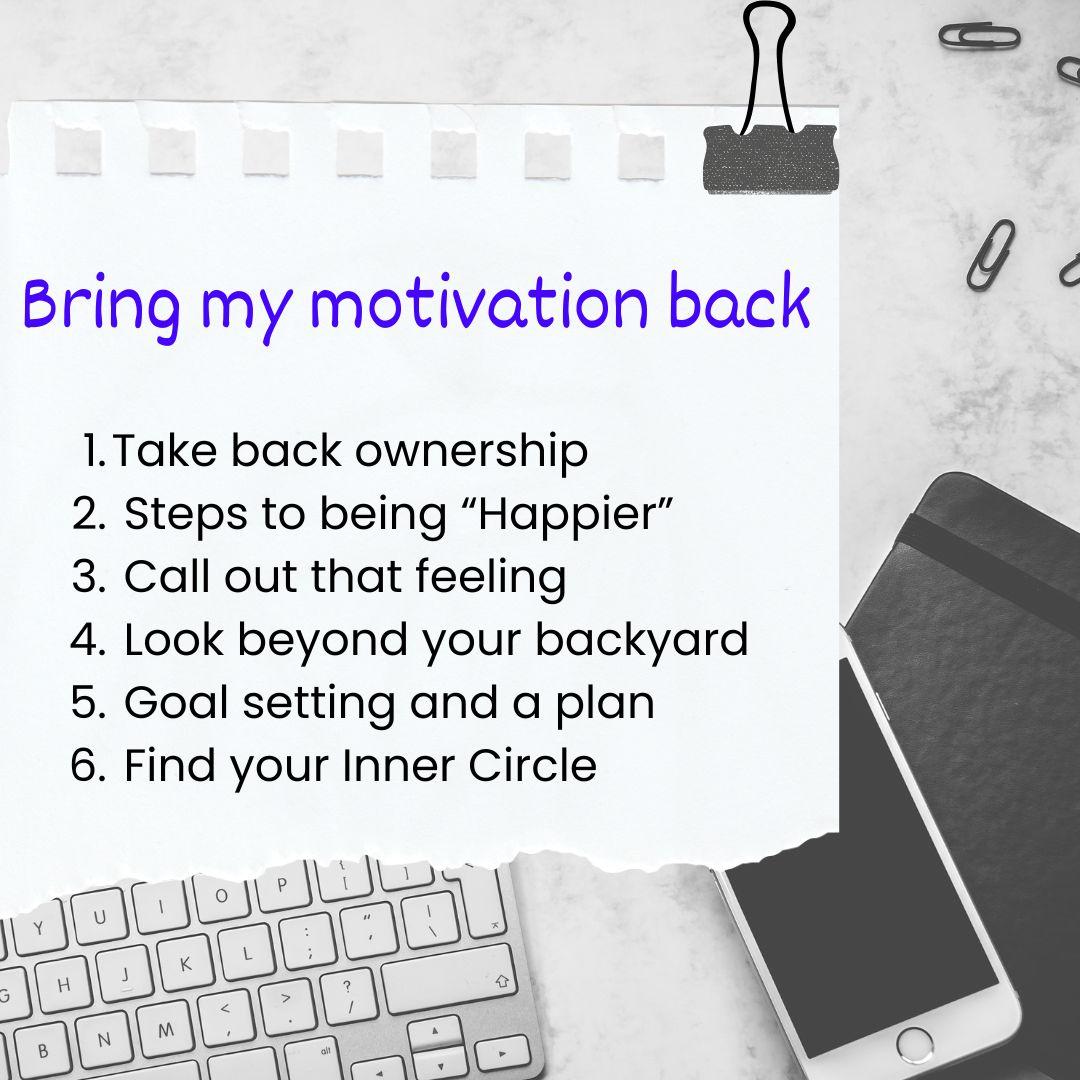
There is already plenty of literature sharing tips and tricks from mindfulness techniques, making sure you take frequent breaks, including mental health days off when you need it and getting enough exercise to help you stay energised throughout the day. That goes without saying, here 5 tips to help you move out of the disengagement zone.
1. Take Back Ownership
Being stuck sometimes causes us to play it safe, just do things that we have always done. Sometimes our senses tend to be heightened to respond more negatively in the workplace. But many decisions are revocable and to grow and find meaning and more pleasure in what you do, it's important to embrace some risk, boldness and creativity to reap the reward.
You have the ability to make the change. It could be how you respond to situations or reframe the way you feel about work, it could be taking time off when you really need a mental health break.
If you are a leader, take some time out to check in with your staff and connect with them on a more personal level. Hold time to ask them “what’s on your mind”. Actively make time for creative discovery or connection eg. a once a month ritual to review inspiration from customers or other businesses. Perhaps to help bring fresh thinking, act as a mentor to a more junior person in another department ie. learn from the rising ranks outside your team.
For everyone, reconnect with the reason why you joined an organisation in the first place. Get out and talk to customers, commit to creating a “donut chat” culture (ala Slack) by getting to know other people outside your team within the organisation. Getting a new perspective in the same environment can open your mind to other opportunities, new collaborations that could reinvigorate the way you approach your work.
2. Think of steps to being Happier vs Happiness being the end state
To those really optimistic people, close your ears on this point. You are probably not going to love what I say here!
Sometimes the feeling of disengagement is more than just work. The feeling of “meh”, the feeling of less joy than you had before, or lack of enthusiasm seeps into many facets of your life. There is a name for it. It's called Anhedonia. This is described as the lack of interest, enjoyment or pleasure from life’s experiences. It could be physical or social where you feel a numbness or detachment from things that used to bring you happiness.
What doesn’t help is we are overstimulated and constantly switched on. We may also have unrealistic expectations of joy and happiness.
“If I only got that promotion, it would make me happy”, “if I could only earn X amount it would make me happy”.
Does this sound familiar? But quite often we find, once we attain those certain goals it doesn’t really change the way we feel.
One thing that might be helpful is to reframe what happiness means. Perhaps it should be broken down into incremental gains we experience every day. As micro as calving out 1 minute without distraction to enjoy your first sip of coffee (or whatever your beverage of choice is) and just be in the moment….what does it smell like, can you feel the heat/cold between your hands, how does it taste on your tongue and then going down the back of your throat?
Taking time out to practise small rituals, from spending 5 focused minutes playing with your child, to spending your first minute eating your lunch (which you are probably scoffing down at your keyboard in between meetings!) and just savouring the smell, the taste, the moment, will help you gain bouts of being “happier” more often vs just aspiring to the more challenging goal of happiness.
Another thing is actively recalling times before that have brought you joy eg. the feeling of confidence where you nailed a presentation, when you were recognised for completing a successful project you led, when you and your daughter or son enjoyed your first concert together. Whatever that is for you, recall how you felt, what did you see, what did you smell, what sounds did you hear, how did your body feel? The more vividly you can recall the memory and your senses, the more easy it becomes to recall those experiences, to put a smile on your face and remind yourself that you can achieve that state even when it's not happening in the moment.
Note, this content is not a substitute for a professional diagnosis. If you suffer from more severe mental health challenges, please seek out the help of a psychologist or therapist.
3. Call out that feeling
Let's get to the root cause of why you are feeling the way you are. Quite often this one is best talked out with someone - a friend, a coach or mentor. What is it about your job that really frustrates you? Are you taking on too much and having difficulty prioritising, have you got a challenging boss that does not respect your opinions, are you dealing with challenging stakeholders, are you impacted because the business is not growing and you are feeling somewhat responsible?
Your feelings of disengagement is a state and by recognising and calling out what the underlying cause of that state is will help you hone in on how to then refocus your energy.
Once you have named your feelings and frustrations it's time to talk out the solutions. You will be surprised at how resourceful you are at identifying solutions and coming up with next steps, it's just committing the time and focus to work it out.
4. Look beyond your backyard
Sometimes when you are feeling disengaged or burnt out, frustrated about your workplace you tend to find confidantes within your organisation. Whilst some aligned discussion is healthy, if you find yourself complaining to colleagues too often it can become a cycle of negativity and entrenched behaviour.
To change your thinking it really helps to speak to people outside your organisation. Depending on your challenges, getting a fresh perspective, new opinions and just a different way of thinking can help you actually get unstuck, can help you reinvigorate your creative thinking. The new connection and social interaction may help increase those happiness moments.
5. Goal setting and a plan
Once you have determined your root causes and identified a few solutions to changing your disengaged state, if you are determined to get out of this state, it's time to put a few goals and a plan of action in place.
There is enough literature out there for setting SMART goals, setting mindset goals, so I will just say that setting goals both longer term and in bite sized chunks is helpful. For example if you have some clear frustrations about your current workplace eg. its a toxic environment where many people blame each other, there is declining business growth, you don’t get along with your boss and you are being asked to take on too much with limited resources. There is a lot there!
You now need to determine what is the most impactful on your feelings and what is within your control to do something about. So, your long term goal might be to find an alternative job within another company (add in type of role, type of company and time frame) and then chunk up your steps. For the short term, you could put goals and actions in place to build a better relationship with your boss and at the same time clarify what career you really want, your Unfair Advantage, before you even start your job search.
No matter the challenge, build in the steps to actively change your state one small step at a time.
6. Talk to someone - Find your Inner Circle
Lastly, in a number of the tips above, I have suggested talking to someone, getting a different perspective on your challenges and outside your organisation. Whilst a formal coach can help you more quickly identify those root causes and then solutions, it always helps to get perspectives from a variety of key people in your life to help you alter your disengaged state.
Ready to tap into the Dear Thrive network? Search our advisors and coaches here.