Dealing with difficult people at work? 7 tips to improve that partnership
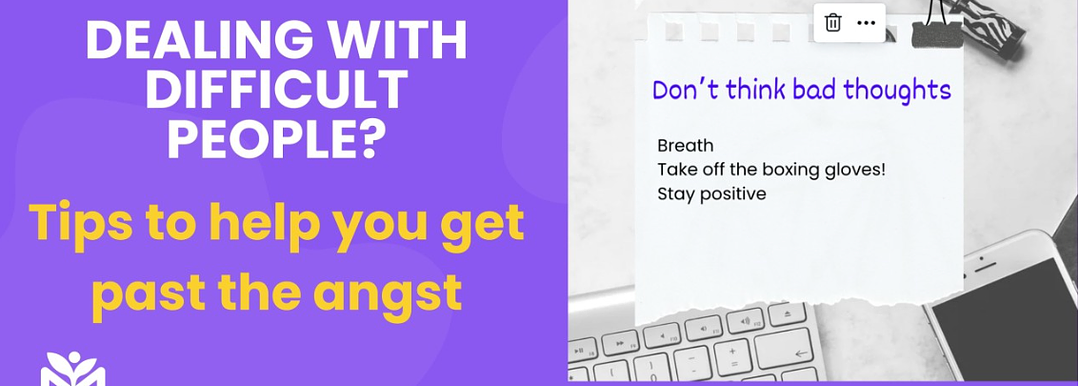
We all have to deal with different personalities, people with different roles in our work lives. And particularly if we have a project to complete, goals to move sometimes you can just get bogged down in negativity, hostility and blockers at every turn. It's not worth the angst! So how can you navigate this mind field, get stuff done and maintain a positive attitude.
Stakeholder management is one of the most vital skills important in business and in life. You don’t need to be an experienced sales person or product manager to navigate your way through successful negotiations or partnerships to get stuff done.
I have a mentor, who was also an old boss of mine when I was a sales and marketing lead. One of the things that stuck with me was the saying he had about “keeping your enemies closest”. I realise that sounds extreme and his reference point was dealing with difficult/objectionable partners and clients who we relied on to grow our business. That saying pops up every time I have to navigate dealing with a challenging person. When I physically feel my shoulders start to tense up, feel like I’m preparing for battle before a meeting with them.
The reality is we are going to come across difficult people all our lives. So how can you minimise the dread and unproductive thoughts? How can you reduce the anxiety or lessen the feeling of being triggered every time you are dealing with difficult people? Here are a few tips to help when you feel the need to put the boxing gloves on.
⛅ NURTURE THE RELATIONSHIP AND LAY THE FOUNDATIONS
Ahead of any key projects, build rapport. Take them out for a coffee, get to know what makes them tick. I get with remote working that can be difficult so invite them to your next team meeting so they can share their work, their perspectives. Follow up and offer positive feedback about their insights. Make their input and opinion valued and you may not end up having this person as a difficult stakeholder next time around. At very least, if you’ve been able to build rapport, if things go awry, you might be comfortable enough to pull them aside and have an open discussion about their objectionability.
👂 LISTEN AND UNDERSTAND THEIR MOTIVATIONS
Goes without saying, come with fresh eyes to every project and problem and listen to their point of view. Are they aligned on the common goal? Do they just want things done a different way? Do they just want their opinions to be heard and acknowledged? What other things are going on with their work/life? If you can understand their motivations, you are more likely to find some common ground.
🆗 ANTICIPATE OBJECTIONS
If you have worked with them before on a project for example, chances are you have an idea of how they might react or push back on an idea, a way forward. Do a little preparation on the areas they might object to. This signals that you have done your homework, it also means that you have thoughtfully considered different paths forward.
📉 BACKED BY DATA
The more succinct the data and insights you have to back up your opinion, the more you will be able to get alignment. The less vague you are with your assertions, the easier it will be to gain consensus.
📣 COMMUNICATION EARLY
I started to write over communicate here, but that’s not necessarily the right approach. You need to communicate early allowing time for digestion and feedback. If there is anything potentially controversial, pull the difficult stakeholder aside 1:1 for a heads up before sharing with the team. Showing you value their input will go a long way to early alignment.
🥳 SHARE SUCCESS STORIES TOGETHER
Once you are able to get through a project together, celebrate the wins. Build the narrative and share the story to the business together. “Remember that project we worked on that drove X success….?”. A proven shared experience is a terrific baseline from which to anchor future success.
✋ BEWARE THE SINGLE STORY
We talk a lot in management about checking your unconscious bias. When your brain has been trained for a millenia (remember flight or fight mode) to make mental shortcuts to speed up decision making. Whilst we have evolved considerably from the days of the hunter gather, the way we process information to make quick assessments and judgements, fill in the blanks when we might not have all the information has not evolved all that much. We make snap judgements based on our backgrounds, personal experiences, cultural context and social stereotypes.
The other day I listened to a TED talk, about the Danger of a Single Story by Chimamanda Adichie. Adichie is a Nigerian novelist who was influenced at a young age by novels of the Western world. How she started writing then reflected things that she couldn’t really identify with. Adichie came to study in the US for college and her roommate was surprised she spoke English, listened to Mariah Carey, expecting instead to hear tribal music. Her room mate held a single story about Africa. It got me thinking, besides assumptions about culture and countries, how many single stories do we hold about the people we meet, work with and hire, the assumptions we make about their abilities or work ethic.
Diversity of opinions matter. It's where we get the best ideas and outcomes. Embrace some level of tension and a different world view. You will only learn from it.
Ready to tap into the Dear Thrive network? Search our advisors and coaches here.